






Vaccination & Immunity: Complete Vaccination Schedule for Babies
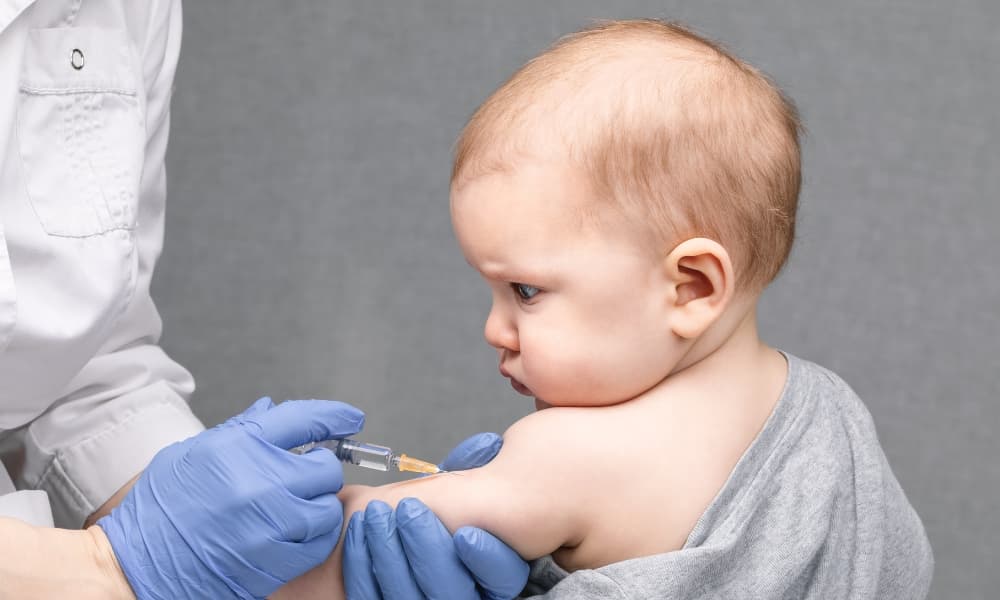
Welcoming a baby into the world is a beautiful experience, and as parents, ensuring their health and safety becomes the top priority. One of the most effective ways to protect your child from serious diseases is through vaccination. Vaccines play a crucial role in building your baby’s immunity, helping their body fight infections even before they are exposed to them.
A newborn’s immune system is still developing, which makes them more vulnerable to infections. Vaccination works by safely introducing a small, inactive part of a disease-causing organism into the body. This helps the immune system recognize and fight the infection in the future, without actually causing the disease.
The vaccination journey begins right at birth. The first vaccines usually include BCG (for tuberculosis), Hepatitis B, and Oral Polio Vaccine (OPV). These are essential to provide early protection against life-threatening conditions.
At around 6 weeks, babies receive vaccines such as DTaP (diphtheria, tetanus, pertussis), IPV (polio), Hib (Haemophilus influenzae type b), Rotavirus, and Pneumococcal vaccine. These vaccines protect against infections that can affect the brain, lungs, and digestive system.
The next set of doses is given at 10 weeks and 14 weeks, which are usually follow-up doses of the same vaccines to strengthen immunity. These booster doses are important because they ensure long-lasting protection during your baby’s early months.
At 6 months, additional doses like Hepatitis B and sometimes Influenza vaccine may be recommended. As your baby grows, the vaccination schedule continues to adapt to their developmental needs.
At around 9 months, babies are typically given the Measles, Mumps, and Rubella (MMR) vaccine. This is followed by booster doses in the coming months to ensure continued protection. By the time your child turns 1 to 1.5 years, more boosters for DTaP, Hib, and other vaccines are administered.
It’s important to understand that each vaccine is carefully timed to offer maximum protection when your child is most vulnerable. Missing or delaying vaccinations can leave your baby at risk of infections that are otherwise preventable.
Many parents may have concerns about vaccine safety, but it’s important to know that vaccines go through strict testing and are considered safe and effective. Mild side effects like fever or slight swelling are normal and usually go away on their own.
To ensure your baby receives the right vaccines at the right time, it’s always best to consult the best pediatrician in Sarjapur. Regular check-ups help track your child’s growth and ensure that the vaccination schedule is followed accurately. Choosing the best pediatric care in Sarjapur also ensures access to expert guidance, safe vaccination practices, and personalized care for your child.
In conclusion, vaccination is one of the most important steps you can take to safeguard your baby’s future. By following the recommended schedule and staying informed, you are giving your child the best possible start in life—healthy, protected, and strong.