





Foods to eat during pregnancy
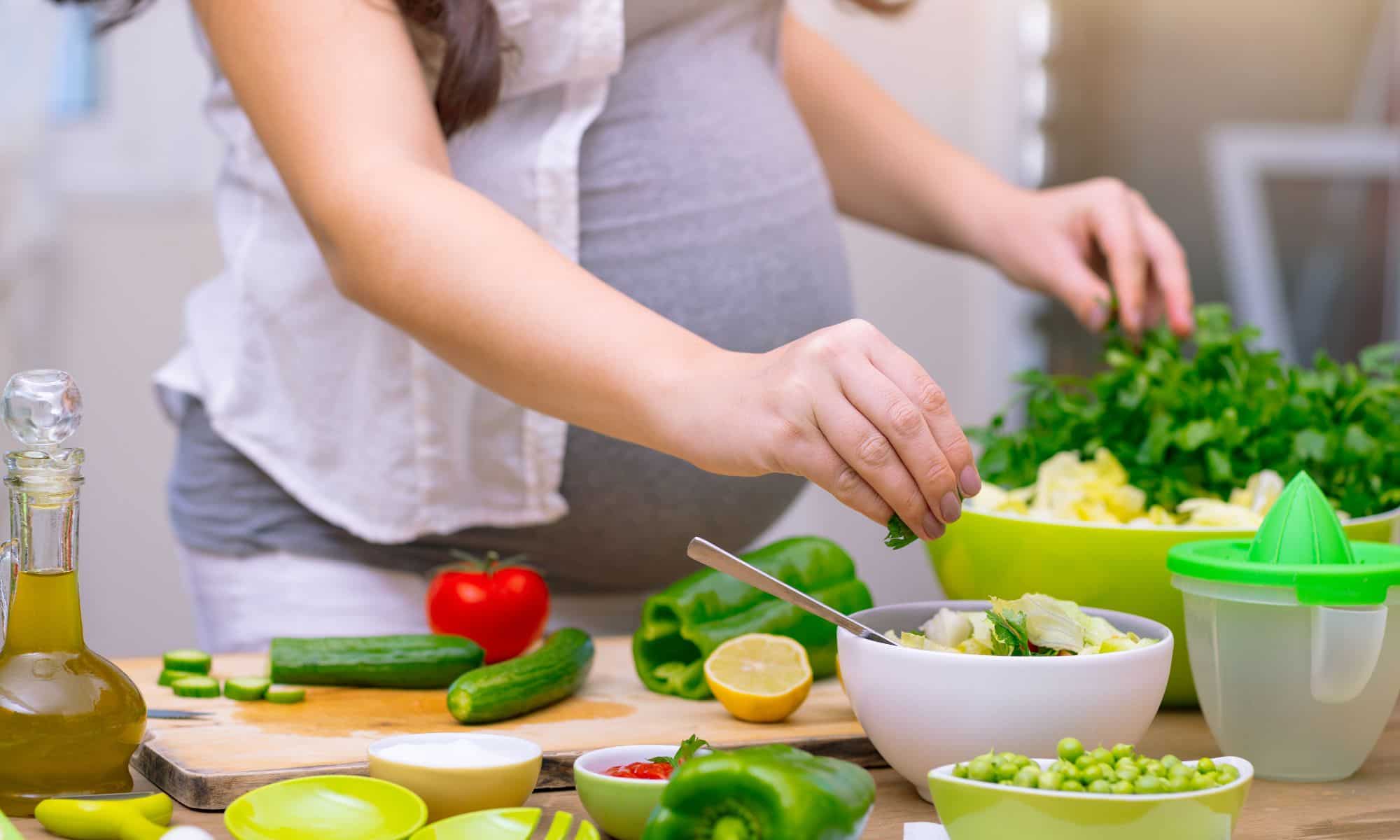
Pregnancy is one of the most beautiful and life-changing journeys in a woman’s life. Along with the excitement of welcoming a new baby comes the responsibility of taking extra care of your health. One of the most important parts of a healthy pregnancy is eating the right food. What you eat during these nine months not only affects your health but also plays a major role in your baby’s growth and development.
Many expecting mothers often wonder, “What should I eat during pregnancy?” The answer is simple—focus on balanced, nutritious, and fresh foods that provide the right vitamins, minerals, and energy for both mother and baby.
Protein-rich foods are extremely important during pregnancy because they help in your baby’s growth, especially the development of tissues and organs. Include foods like eggs, milk, curd, paneer, lentils, beans, chicken, fish, and nuts in your daily diet. These help in building strength and maintaining healthy body functions.
Iron is another essential nutrient because pregnancy increases the body’s need for healthy blood flow. Low iron levels can lead to anemia, tiredness, and weakness. Green leafy vegetables like spinach, broccoli, beetroot, dates, pomegranate, and lean meats are excellent sources of iron. Pairing them with vitamin C-rich fruits like oranges or lemons helps the body absorb iron better.
Calcium is equally important for your baby’s bone and teeth development. Milk, yogurt, cheese, almonds, and sesame seeds are good sources of calcium. A healthy intake of calcium also protects the mother’s bone strength during pregnancy.
Folic acid is a must, especially in the early stages of pregnancy, as it helps prevent birth defects and supports brain development. Foods like spinach, avocados, citrus fruits, legumes, and fortified cereals are rich in folic acid.
Fresh fruits and vegetables should be a major part of every pregnancy diet. They provide vitamins, fiber, and antioxidants that improve digestion and boost immunity. Bananas, apples, oranges, carrots, sweet potatoes, and cucumbers are simple and healthy choices.
Staying hydrated is just as important as eating well. Drinking enough water helps maintain amniotic fluid levels, improves digestion, and prevents dehydration. Coconut water, fresh juices, and soups can also be good additions.
At the same time, certain foods should be limited or avoided, such as raw seafood, unpasteurized dairy, excessive caffeine, junk food, and overly spicy or oily meals. These may cause discomfort or increase health risks during pregnancy.
Every pregnancy is unique, and sometimes diet needs can vary depending on individual health conditions. This is why regular checkups at the best maternity hospital in Sarjapur are so important. Expert guidance from the best gynaecologist in Sarjapur can help ensure that both mother and baby stay healthy throughout the journey.
Many mothers feel confused by too much advice from family, friends, and the internet. The safest approach is always to trust qualified medical experts. The best gynaecologist in Sarjapur can guide you with personalized nutrition advice based on your pregnancy stage and health needs.
At the best maternity hospital in Sarjapur, care goes beyond delivery—it starts from the very first step of pregnancy, including nutrition, regular monitoring, and emotional support.
Pregnancy is not about eating more; it is about eating better. Choosing healthy foods today helps create a stronger, healthier tomorrow for both mother and baby. A balanced plate truly becomes the first gift you give your child.