



Failure to Thrive: A Structured Approach to Poor Weight Gain in Infants
- Failure to Thrive: A Structured Approach to Poor Weight Gain in Infants
- Gestational Diabetes With Normal Fasting Glucose: Why Additional Testing Matters
- Twin Pregnancy Complications: What Chorionicity Means for Antenatal Monitoring
- Neonatal Jaundice: When Is Phototherapy Necessary?
- Is Your Menstrual Cycle Normal but Still Facing Difficulty Conceiving?
- Foods to eat during pregnancy
- Vaccination & Immunity: Complete Vaccination Schedule for Babies
- How Your Baby Grows: Week-by-Week Insights
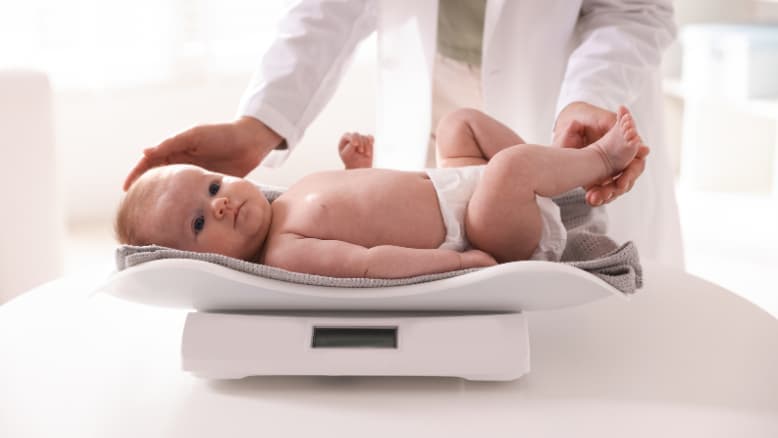
A baby's growth is one of the most important indicators of overall health and development. During infancy, adequate nutrition and consistent weight gain are essential for healthy brain development, immunity and physical growth. However, some babies may not gain weight as expected for their age. This condition is commonly referred to as Failure to Thrive (FTT).
Identifying the underlying cause early and providing appropriate care can help infants achieve healthy growth and prevent long-term complications.
What Is Failure to Thrive?
Failure to Thrive refers to inadequate weight gain or poor growth in infants and young children compared to expected growth patterns. It is generally identified through growth chart assessments, including weight-for-age, length-for-age and weight-for-length measurements.
A single low weight measurement does not necessarily indicate a growth problem. Paediatricians look at the child's growth pattern over time to identify persistent concerns.
What Causes Poor Weight Gain in Infants?
Poor weight gain can occur due to nutritional, medical or environmental factors.
1. Inadequate Nutritional Intake
- Insufficient breastfeeding or formula feeding.
- Incorrect formula preparation.
- Poor feeding techniques or difficulty latching.
- Inadequate feeding frequency or quantity.
2. Medical Conditions
Certain health conditions can interfere with nutrient absorption or increase the body's energy requirements. These include:
- Gastrointestinal conditions such as food allergies and malabsorption.
- Congenital heart conditions.
- Chronic infections.
- Thyroid and metabolic disorders.
- Recurrent vomiting or persistent diarrhoea.
3. Feeding and Environmental Challenges
Feeding difficulties, parental stress, disrupted feeding routines and challenges in accessing adequate nutrition can also contribute to poor infant growth.
Warning Signs Parents Should Watch For
Parents should consult a paediatrician if they notice:
- The baby is consistently gaining less weight than expected.
- Feeding takes unusually long or the baby frequently refuses feeds.
- Persistent vomiting or diarrhoea.
- Reduced appetite or difficulty sucking and swallowing.
- Fewer wet diapers than usual.
- Unusual tiredness, irritability or reduced activity.
- Loss of previously achieved growth progress.
Severe lethargy, dehydration or difficulty breathing requires immediate medical attention.
How Is Failure to Thrive Diagnosed?
A structured evaluation helps identify the reason behind poor weight gain. The paediatrician may recommend:
1. Growth Assessment: Reviewing weight, length and head circumference against standard growth charts.
2. Feeding History: Evaluating breastfeeding, formula intake, feeding frequency, preparation and feeding techniques.
3. Medical Examination: Checking for signs of infections, digestive problems, congenital conditions and other underlying health concerns.
4. Laboratory Investigations: Blood tests, urine tests or stool examinations may be recommended when clinically indicated. Not every infant requires extensive testing.
Treatment and Management Options
Treatment focuses on addressing the underlying cause and improving nutritional intake.
- Developing an age-appropriate feeding schedule.
- Providing breastfeeding support and lactation guidance.
- Adjusting formula feeding when necessary.
- Introducing appropriate complementary foods after six months.
- Treating underlying medical conditions.
- Monitoring weight gain through regular follow-up visits.
Parents should avoid changing formula concentrations or introducing supplements without medical advice.
When Should You Consult a Paediatrician?
Poor weight gain should never be ignored, especially during the first year of life. Early evaluation helps identify nutritional deficiencies, feeding difficulties and underlying medical conditions.
At Angel Care Women and Children Hospital, the focus is on supporting infant growth through regular monitoring, nutritional guidance and comprehensive paediatric care.
If you are looking for the best paediatrician in Sarjapur, the best pediatric hospital in Sarjapur or the best child doctor in Sarjapur, timely consultation can help ensure your baby's growth and development remain on the right track.
Every gram of growth matters. Early attention today builds a healthier tomorrow.